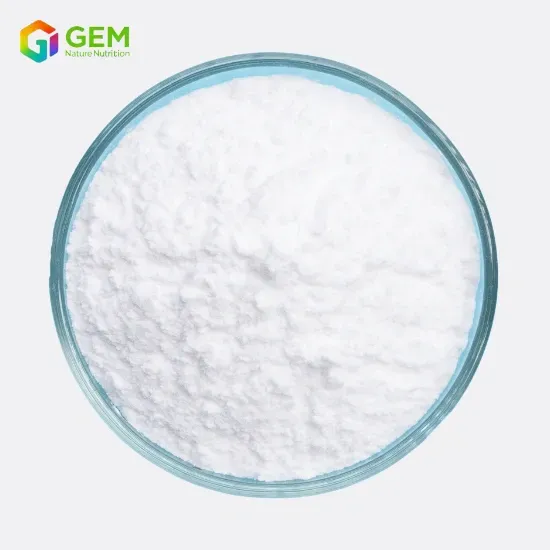
L-Phenylalanine
L-Phenylalanine (CAS 63-91-2) is an essential aromatic amino acid and precursor for dopamine, norepinephrine, and thyroid hormones. Pharma-grade for dietary supplement formulations.
| 规格名称 | 规格值 |
|---|---|
| Appearance | White crystals or crystalline powder |
| Assay | 98.5%HPLC |
| CAS No. | 67675-33-6 |
| Shelf Life | 24 months |
| Stock | Regular storage |
L-Phenylalanine
L-Phenylalanine Details
Specification: 98.5%HPLC
CAS No.: 63-91-2
Molecular Formula: C9H11NO2
Packing: 25kg/drum
Storage: Stored in closed containers in a cool, dry, well-ventilated area.
What is L-Phenylalanine?
L-Phenylalanine is an essential aromatic amino acid that the human body cannot synthesize on its own — it must be obtained through diet or supplementation. It serves as the direct biosynthetic precursor to L-Tyrosine, which is subsequently converted into critical neurotransmitters and hormones including dopamine, norepinephrine (noradrenaline), epinephrine (adrenaline), and thyroid hormones (thyroxine, T4).
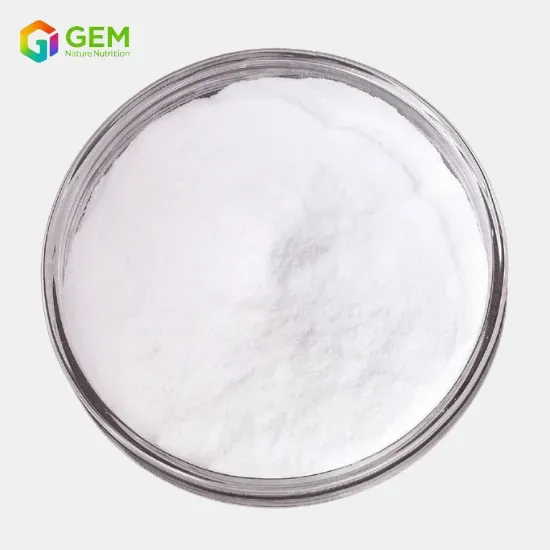
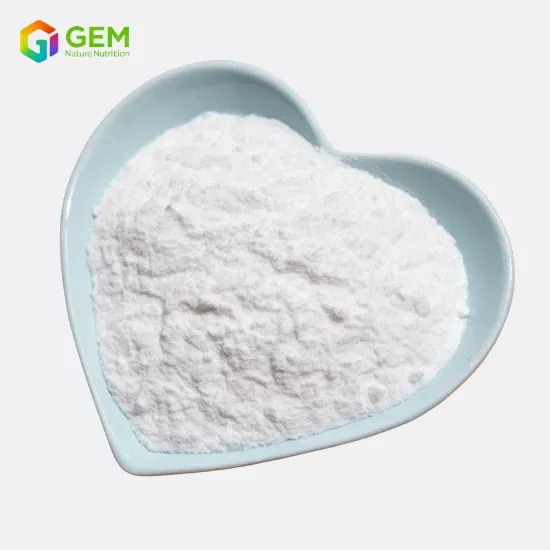
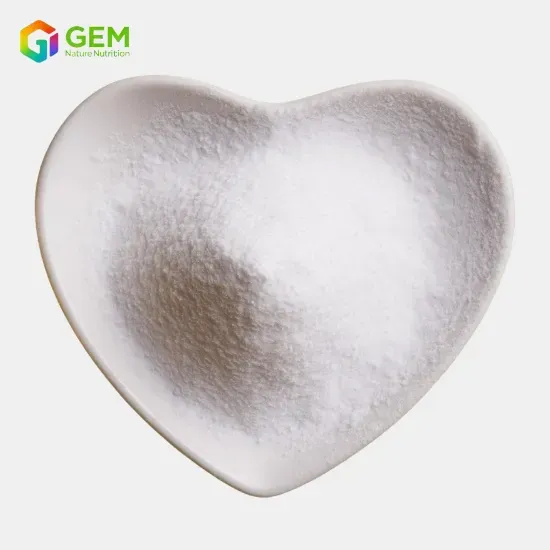
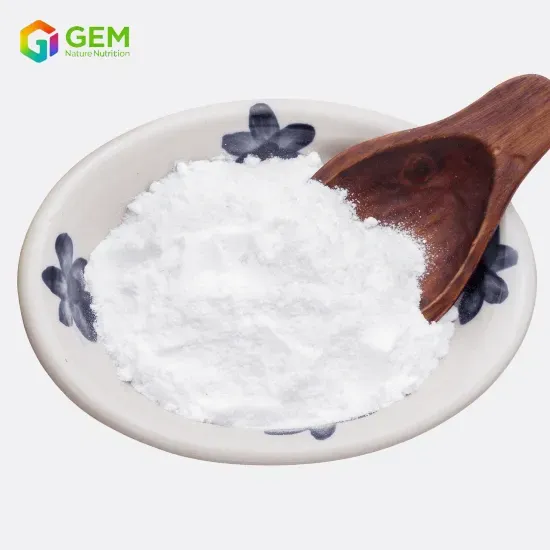
As a white crystalline powder with high purity (≥98.5% HPLC), our L-Phenylalanine meets USP/EP pharmaceutical standards and is suitable for use in dietary supplements, functional foods, and pharmaceutical formulations.
What's the Major Function of L-Phenylalanine?
1. Neurotransmitter Synthesis
L-Phenylalanine is the upstream building block in the catecholamine biosynthesis pathway:
- Dopamine: Supports motivation, reward, and motor coordination.
- Norepinephrine: Regulates attention, focus, and the fight-or-flight response.
- Epinephrine: Critical for energy mobilization and cardiovascular function under stress.
2. Mood & Cognitive Support
By supporting catecholamine production, L-Phenylalanine plays a key role in mood regulation, mental alertness, and stress response. It is frequently used in formulations targeting cognitive performance and emotional well-being.
3. Thyroid Hormone Precursor
L-Phenylalanine → Tyrosine → Thyroid hormones (T3/T4). Adequate phenylalanine intake supports healthy thyroid function and metabolic rate.
4. Protein Synthesis
As one of the 20 standard amino acids, L-Phenylalanine is incorporated directly into the protein structure of enzymes, hormones, and structural proteins throughout the body.
L-Phenylalanine Specification:
| Testing Item | Specification |
|---|---|
| Appearance | White crystals or crystalline powder |
| Assay | 98.5%~101.5% |
| Specific rotation | -34.0°~-35.5° |
| PH | 5.4-6.0 |
| Loss on drying(%) | ≤ 0.2% |
| Residue on ignition(%) | ≤ 0.4% |
| Chloride(%) | ≤ 0.05% |
| Sulfate(%) | ≤ 0.03% |
| Heavy Metals | ≤ 15ppm |
| Iron(Fe) | ≤ 30ppm |
| Chromatographic purity | As per USP |
Application
| Industry | Application |
|---|---|
| Dietary Supplements | Mood support, cognitive enhancement, stress relief formulas |
| Pharmaceutical | API intermediate for neurological drugs; precursor synthesis |
| Functional Food & Beverage | Protein fortification, flavor enhancement |
| Sports Nutrition | Amino acid complex blends, pre-workout formulas |
| Cosmetics | Skin-conditioning agents, anti-aging formulations |