Best Seller
Soy Isoflavones
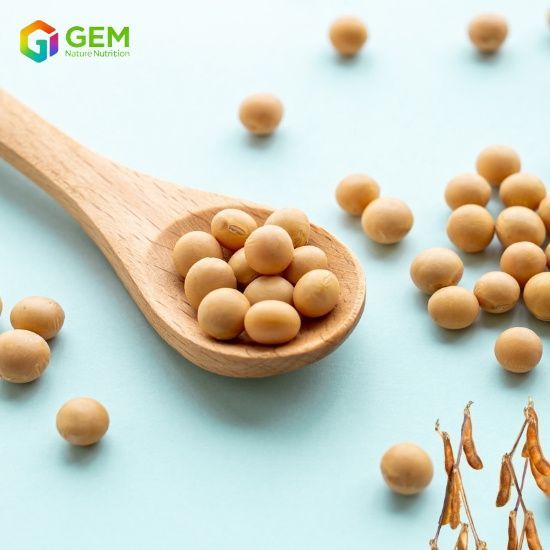
It is from natural soy extract, containing plant isoflavones, the great ingredients for women healthy supplement.
| 规格名称 | 规格值 |
|---|---|
| Active Ingredients | Soy Isoflavones |
| Grade | Food&feed are all available |
| CAS No. | 574-12-9 |
| Shelf Life | 24 months |
| Solvents | Water and ethanol |
Soy Isoflavones
Soybean Extract(Soy Isoflavones) Details
Specification:
- 5%~95% HPLC From germs
- 5%~90% HPLC From cakes
- 5%~80% HPLC Aglycon
- 5%~10% HPLC Water-soluble
- 1%-5% HPLC Soy isoflavones (Feed additive).
Active Ingredients: Soy Isoflavones(Genistin; Genistein; Daidzin; Daidzein; Glycitin; Glycitein)
Mesh: 80mesh
Certificate: ISO22000; ISO9001; HACCP; Kosher; Halal
Annual Production Capacity: More than 100 tons
Features: Non-GMO; ETO free; Non-Radiation; USP&EP Standard; Allergen (soy, gluten) free; Rich isoflavones; Phy-toestrogen.
Application: Pharmaceutical and medicine; Dietary supplement; Basic nutritional ingredients; Food additives and Cosmetics; Feed and pet industry. etc.
Major function: Phy-toestrogen; Anti-antioxidant.
Product Introduction
What is Soy Isoflavones?
Soy Isoflavones are a class of bioactive secondary metabolites found in the hypocotyl of the soybean (Glycine max). As a prominent member of the bioflavonoid family, they are structurally similar to human 17-β-estradiol, allowing them to function as phytoestrogens—natural compounds that help balance hormonal activity in the body.
The Complex Chemical Profile: The 12 Forms of Isoflavones
Soybean extract is not a single compound, but a sophisticated mixture of polyphenols. In their natural state, they exist in 12 distinct chemical forms, categorized into three primary aglycone groups:
Genistin Group: (Genistein, Genistin, Acetylgenistin, Malonylgenistin)
Daidzin Group: (Daidzein, Daidzin, Acetyldaidzin, Malonyldaidzin)
Glycitin Group: (Glycitein, Glycitin, Acetylglycitin, Malonylglycitin)
Bioavailability Note: Each of these three groups exists in four specific molecular states: Free form (Aglycones), Glucoside, Acetyl glucoside, and Malonyl glucoside.
Biological Mechanism: Selective Estrogen Receptor Modulation
Soy isoflavones are often referred to as "Natural SERMs" (Selective Estrogen Receptor Modulators). Because of their unique polyphenol structure, they can bind to estrogen receptors to produce either an estrogenic or anti-estrogenic effect, depending on the body's internal environment.
- Hormonal Balance: They help regulate endogenous hormone secretion and maintain metabolic equilibrium.
- Protein & Growth Factors: They influence protein synthesis and modulate growth factor activity at the cellular level.
- Cellular Protection: Recognized as a natural chemopreventive agent, soy isoflavones support healthy cell differentiation and have been widely studied for their role in cancer prevention and longevity.
Soybean Extract(Soy Isoflavones) Specification
| Test Item | Specification |
|---|---|
| Total isoflavones | ≥ 40.0 by HPLC |
| Daidzin | 23.76% |
| Glycitin | 11.65% |
| Genistin | 4.57% |
| Daidzein | 0.48% |
| Glycitein | 0.11% |
| Genistein | 0.08% |
| Appearance | Light yellow powder |
| Odor | Characteristic |
| Bulk Density | 45-62g/100ml |
| Moisture | ≤ 5% |
| Ash | ≤ 5% |
| Total Heavy Metals | ≤ 10 μg/g |
| Arsenic (As) | ≤ 1.0 μg/g |
| Lead (Pb) | ≤ 2.0 μg/g |
| Mercury (Hg) | ≤ 0.1 μg/g |
| Total Plate Count | ≤ 1,000 cfu/g |
| Molds and Yeasts | ≤ 100 cfu/g |
| Salmonella | Absence/10g |
| E. Coli | Absence/10g |
Remark: Any special quality request could be checked with our sales team.
Production Process
Soybean meal(germs)→Extract→Extracting solution→Concentrate→Ethanol recycle→Concentrate liquid→Drying→Crushing&Mixing→Detecting→Packing→Final product.
The function of soy isoflavones to women
Soy isoflavones are powerful phytoestrogens that provide a natural, plant-based solution for women navigating hormonal transitions. Because their molecular structure is nearly identical to human estrogen, they can safely interact with estrogen receptors to balance the body's internal environment.
1. Management of Menopausal Syndrome
During the menopausal transition, ovarian function naturally declines, leading to a sharp drop in endogenous estrogen levels. This deficiency often results in symptoms such as hot flashes, night sweats, and mood fluctuations.
Natural Hormone Support: Soy isoflavones act as a gentle "estrogen supplement." They bind to vacant estrogen receptors, helping to stabilize the body and significantly alleviate menopausal symptoms.
Safe Transition: Unlike synthetic hormone replacement therapy (HRT), soy isoflavones offer a standardized, plant-derived alternative with a long history of safe use.
2. Prevention and Improvement of Osteoporosis
The high incidence of osteoporosis in post-menopausal women is directly linked to the decline in estrogen, which is essential for maintaining bone mineral density.
Cellular Interaction: Soy isoflavones interact directly with osteoblasts (bone-forming cells).
Bone Mineralization: By binding to estrogen receptors in the skeletal system, they help reduce bone resorption (loss) and improve the efficiency of calcium absorption.
Result: Regular supplementation helps maintain structural integrity and reduces the risk of fractures in aging populations.
3. Hormonal Balance & Breast Health Support
A common concern for women is the risk associated with high levels of "active" estrogen. Soy isoflavones provide a unique balancing effect.
Competitive Binding: Because soy isoflavones are structurally similar to estrogen, they compete for the same receptor sites on cell surfaces.
Anti-Cancer Mechanism: When natural estrogen levels are too high, isoflavones bind to the receptors first, blocking stronger estrogens from over-stimulating cells. This "anti-estrogenic" effect is a recognized natural anti-cancer mechanism, potentially reducing the risk of hormone-dependent breast cancer.
Increased Bone Density: While protecting breast tissue, they simultaneously signal bone cells to remain strong, providing a dual-action health benefit.
Other application and research for soy isoflavones
While widely recognized for women's health, modern clinical research highlights Soy Isoflavones (specifically Genistein and Daidzein) as critical agents in the prevention of chronic metabolic and heart-related conditions.
1. Cardiovascular Disease Prevention & Arterial Health
Epidemiological data consistently shows that long-term consumption of soy-derived isoflavones is correlated with a significant delay in the onset of arteriosclerosis and a reduction in total serum cholesterol.
Anti-Thrombotic Mechanism: Soy isoflavones inhibit tyrosine kinase activity and reduce tyrosine protein phosphorylation within platelets. This leads to a decrease in platelet hyperactivity, preventing the aggregation and deposition of plaque on vascular walls.
Vascular Smooth Muscle Regulation: They inhibit the abnormal proliferation of vascular smooth muscle cells, a key step in preventing the hardening of the arteries.
Multi-Path Protection: The cardioprotective effect is driven by a combination of potent antioxidant activity, receptor regulation, and improved lipid metabolism.
2. Metabolic Regulation and Diabetes Support
Soy isoflavones are emerging as powerful tools for glycemic control. They influence how the body absorbs and processes glucose, offering protective benefits for the pancreas.
Pancreatic Beta-Cell Protection: The level of antioxidant enzymes in pancreatic beta-cells determines their ability to resist free radical damage and release insulin efficiently. Soy isoflavones boost these enzyme levels, protecting the insulin-producing capacity of the pancreas.
Glucose Absorption Inhibition: Research indicates that isoflavones can inhibit the absorption of sugars in the small intestinal mucosa. This helps prevent post-meal glucose spikes and promotes better long-term glucose equilibrium.