D-Mannose
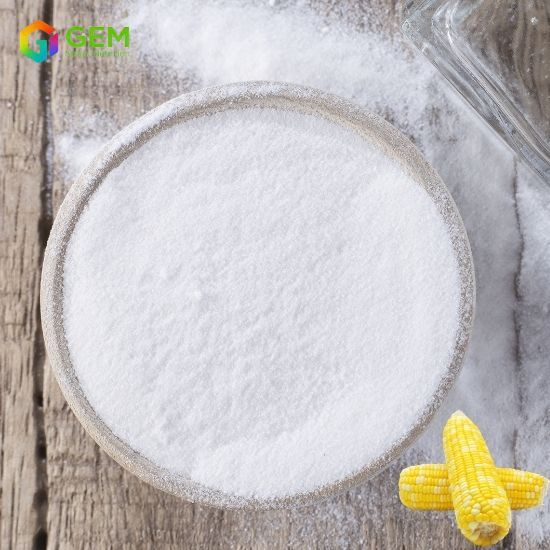
D-Mannose powder/granule/tablets for keeping a healthy urinary system, derive from natural corn.
| 规格名称 | 规格值 |
|---|---|
| Assay | 98.0%–102% |
| Forms | Powder; Granule; Tablets |
| CAS No. | 3458-28-4 |
| Shelf Life | 36 months |
| Stock | EU&USA warehouse storage |
D-mannose
D-Mannose Quick View:
Specification: 98%-102%HPLC
Powder Mesh: 20mesh; 30mesh; 40mesh; 80mesh
Granule Mesh: 20mesh
Tablets: 500mg/tablet; 1g/tablet
Certificate: ISO22000; ISO14001; ISO9001; FSSC22000; GMP; Kosher&Halal
Annual Production Capacity: More than 500 tons
Features: Monosaccharide; Light sweet taste; Water-soluble; Allergen (soy, gluten) free; Pesticides free; Low fat; low calories; Derive from natural corn.
Application: Pharmaceutical and medicine industry; Dietary supplement; Basic nutritional ingredients; Food and beverages; Food additives and Cosmetics,. etc.
Main function: Keeping a healthy urinary system and help preventing from UTI; Supporting urinary tract health through natural bacterial flushing; Regulating immune function; Promoting wound healing; Supporting healthy inflammatory responses.
Packing: 25kg/drum, 2 layers PE bags inside.
What is D-Mannose?
D-Mannose is a monosaccharide that appears as crystals or crystalline powder with a sweet taste and slight bitterness. As a naturally occurring sugar, it plays an important role in human metabolism, particularly in the glycosylation of specific proteins.
GEM D-Mannose is derived from glucose (corn/maize). It is widely used worldwide to support urinary tract health. Compared with antibiotics, D-Mannose offers a more natural approach as it is plant-sourced from corn. Since D-Mannose is not efficiently metabolized in the human body, it has minimal impact on blood sugar levels and is suitable for diabetics.
In addition to supporting urinary tract health, D-mannose may help regulate immune function, promote wound healing and support healthy inflammatory responses.
3 Different Forms of GEM D-Mannose
D-Mannose Powder: We have different mesh for your various formulations. Normally, 30mesh is our best seller which 90% customers use. Powder forms can be used in sachets, barrel-packed or added into other mixtures. Available mesh sizes: 20mesh; 30mesh; 40mesh; 80mesh.
D-Mannose Granule: It is usually used for filling D-Mannose capsules which is easy for machine operation compared with powder filling. D-Mannose capsule is good for people who don't want to try and taste powder directly. What's more, if you want to make tablets or pills in your factory, we also advise you to use granule to produce tablets directly. Available mesh: 20mesh or customized.
D-Mannose Tablets: Tablet is also a very common form in food supplement. Our shape is oval which is easy to swallow for people. Additionally, if you want to add your company logo on the tablets, we could also match. Available sizes: 500mg/tablet; 1g/tablet or customized.
D-Mannose Powder Specification:
| Testing Item | Specification | Test Method |
|---|---|---|
| Clarity | Clear and colorless | Visual |
| Assay | 98.0%–102% | HPLC |
| Melting Point | 126 – 134 °C | USP-NF<741> |
| Specific | Rotation +13.3° – +14.3° | USP-NF<781> |
| Loss on Drying | ≤ 1.0 % | USP-NF<731> |
| Residue on Ignition | ≤ 0.1% | USP-NF<281> |
| Bulk Density(g/ml) | 0.35-0.55 | USP-NF<616> |
| Tapped Density(g/ml) | 0.50-0.80 | USP-NF<616> |
| Total Heavy Metals | ≤ 10 mg/kg | USP-NF<231> |
| Arsenic (As) | ≤ 1.0 mg/kg | ICP-MS |
| Cadmium (Cd) | ≤ 0.5 mg/kg | ICP-MS |
| Lead (Pb) | ≤ 1.0 mg/kg | ICP-MS |
| Mercury (Hg) | ≤ 0.1 mg/kg | ICP-MS |
| Total Plate Count | ≤ 500 cfu/g | USP-NF<2021> |
| Molds and Yeasts | ≤ 100 cfu/g | USP-NF<2021> |
| Salmonella | Absence/25g | USP-NF<2022> |
| E. Coli | Absence/10g | USP-NF<2022> |
| Staphylococcus aureus | Absence/10g | USP-NF<2022> |
Remark: Bulk density and tapped density can be adjusted under your needs. Welcome your email for requesting SPEC/COA/MSDS for D-Mannose granule or tablets.
Factory Production Flow Process:
Glucose→Chemical Isomers→Decoloration→Dissociative Desalination→Chromatographic→Mannose Phase→Concentration→Crystallization→Dissolution and Decolorization→Concentration→Crystallization→Drying and Packing→Finished Products.
How does D-Mannose work in treating Urinary Tract Infection (UTI)?
The "Sweet" Science of Urinary Support
Urinary Tract Infections (UTIs) are very common bacterial infections among women, it is an inflammatory disease caused by microbial invasion of the urethra. Research shows that most UTIs are caused by E.Coli bacteria. These bacteria "latch" onto the walls of the bladder, leading to discomfort and inflammation.
While antibiotics are a standard response, many individuals seek natural alternatives to avoid disrupting their internal microbiome or developing a dependency on recurring prescriptions.
How D-Mannose Intervenes
- Natural Transit: Unlike other sugars, D-Mannose isn't metabolized well in the human body after oral administration. About 90% is excreted through the urine within 8 hours of consumption, meaning it has a minimal impact on blood sugar levels.
- The "Sweet Tooth" Effect: E-coli have a "sweet tooth". When there is a large amount of D-Mannose in the bladder, the bacteria choose to bind to the sugar molecules rather than the bladder wall.
- Natural Flushing: Once the bacteria are "locked" onto the D-Mannose, E-coli will depart from the bladder wall and go with D-Mannose together, excreting out of the body through urine.
By acting as a natural decoy, D-Mannose plays a gentle role to keep a healthy urinary tract system.
What's the main difference between D-Mannose and Cranberry Extract for UTI treatment?
Both of them are famous for urinary/bladder health, they work on different levels of concentration and efficiency.
Natural Sources vs. Concentrated Power
D-Mannose is a simple sugar existing in many fruits and plants. However, the concentration in natural foods is very low, and eating these foods is not enough to provide D-Mannose to flush out a concentrated bacterial presence.
The Purity Advantage
The biggest difference lies in the potency:
- Cranberry Extract: While beneficial for daily maintenance, cranberry extract contains a mix of various compounds (like proanthocyanidins) and only a tiny fraction of D-Mannose.
- Pure D-Mannose: Our D-Mannose is a highly concentrated extract with a purity of 98%-102%.
Support vs. Prevention
Because of its high concentration, taking pure D-Mannose is often considered a more direct approach. While cranberry is widely used for general prevention, D-Mannose provides a "targeted flush" of the urinary tract. It delivers the specific molecule needed to bind to E. coli in a volume that cranberry juice or extract simply cannot match.
FAQ
1. What is your source of mannose?
Glucose(corn)
2. Do you have birch D-mannose?
We don't have birch sourced mannose currently, ours are glucose originated.
3. Where is the bitter taste in D-mannose coming from?
The bitter taste in D-mannose comes from the beta-anomer form of the sugar , while the alpha-anomer provides a mild sweetness.
4. What foods are high in mannose?
Citrus fruits, such as oranges, lemons, grapefruits, etc., may contain trace amounts of mannose in their skin and flesh. Berries: Cranberries are a typical representative, and their natural pectin and glycoside components often contain mannose.
5. How much D-mannose to take daily?
1g-2g per day is the safety range dosage based on existing reseach.