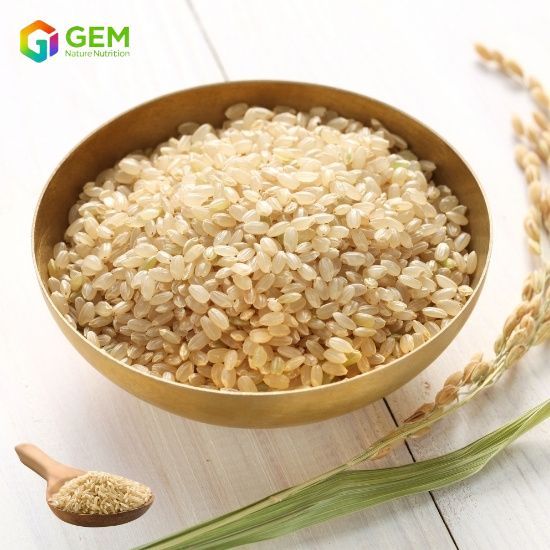
Brown Rice Protein
Our Brown Rice Protein is naturally dairy-free, lactose-free, and hypoallergenic. Perfect for muscle recovery and sensitive diets. Experience high-purity nutrition today.
| 规格名称 | 规格值 |
|---|---|
| Appearance | White grey fine powder |
| Protein Content | 80%; 90% |
| Mesh | 300mesh; 600mesh; 1000mesh |
| Shelf Life | 24 months |
| Main function | Protein supplement |
Brown Rice Protein
Brown Rice Protein Powder Quick View:
Specification: 80%, 90%
Certificate: ISO22000; ISO14001; ISO9001; FSSC22000; BRC; Kosher; Halal.
Annual Production Capacity: More than 1000 tons.
Features: Non-GMO; Non-ETO; Easy digestibility; Plant-based protein; Vegan food; Green food.
Application: Sports nutrition; Dietary supplement; Healthy ingredients; Food and beverages; Protein bar&Snack; Baking&Smoothies; Cosmetics, etc.
What is Brown Rice Protein?
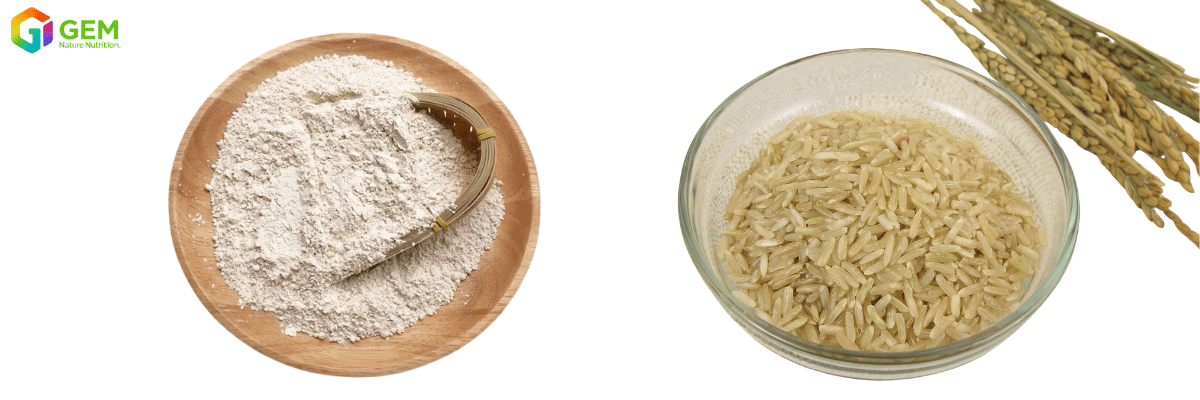
Plant used: Brown rice It refers to the whole grain obtained after the husks are removed from paddy rice, with little to no further processing. It consists of three main components: bran, germ, and endosperm. Compared to white rice, brown rice retains a much higher level of the original nutritional profile of the grain.
Brown Rice Protein Powder is a high-quality protein extract derived from whole-grain brown rice. It is produced using a 100% natural "wet" manufacturing process that involves multi-stage fermentation, filtration, and specialized enzymatic treatments. This process effectively removes impurities while preserving a comprehensive nutrient profile that is easily absorbed by the body.
Our brown rice protein offers natural support for muscle growth and optimal bioavailability. Specifically made from brown rice, it is hypoallergenic and naturally free from dairy and lactose.
Brown Rice Protein 80% Specification:
| Test Item | Specification | Test Method |
|---|---|---|
| Appearance | Off white powder | Visible |
| Taste&Odor | Characteristic | Organ |
| Particle size | 95% pass 300 mesh | Sieve Machine |
| Protein(dry basis),g/100g | ≥80% | GB 5009.5-2016 |
| Moisture, g/100g | ≤8% | GB 5009.3-2016 |
| Fat(dry basis),g/100g | ≤8% | GB 5009.6-2016 |
| Ash(dry basis),g/100g | ≤6% | GB 5009.4-2016 |
| Dietary fiber (dry basis),g/100g | ≤7% | GB 5009.88-2014 |
| Total carbohydrate,g/100g | ≤8% | GB 28050-2011 |
| PH | 5.5-7.0 | PH Meter |
| Melamine,mg/kg | ≤0.1mg/kg | US FDA 4421 |
| Cyanuric acid,mg/kg | ≤0.5mg/kg | FDA LIB No.4421 modified |
| Ochratoxin A,ppb | ≤3ppb | DIN EN 14132-2009 |
| Aflatoxin B1,ppb | ≤2ppb | DIN EN 14123-2008 |
| Aflatoxin B1+B2+G1+G2,ppb | ≤4ppb | DIN EN 14123-2008 |
| Gluten | <20ppm | ESQ-TP-0207 r-BioPharm ELIS |
| Soy | <20ppm | ESQ-TP-0203 Neogen 8410 |
| GMO (Bt63), % | ≤0.01% | Real-time PCR |
| Lead,mg/kg | ≤0.5mg/kg | BS EN ISO 17294-2 2016 mod |
| Cadmium,mg/kg | ≤0.2mg/kg | BS EN ISO 17294-2 2016 mod |
| Arsenic,mg/kg | ≤0.5mg/kg | BS EN ISO 17294-2 2016 mod |
| Mercury,mg/kg | ≤0.05mg/kg | BS EN ISO 17294-2 2016 mod |
| Total Plate Count | ≤5000CFU/g | GB 4789.2-2022 |
| Yeast & Molds | ≤100CFU/g | GB 4789.15-2016 |
| Coliforms | ≤30CFU/g | GB 4789.3-2016 |
| Salmonella | Negative | GB 4789.4-2016 |
| E. Coli | Negative | GB 4789.38-2012 |
| Staphylococcus aureus | Negative | GB4789.10-2016 |
Amino Acid Testing Data:
| Item | Results | Unit |
|---|---|---|
| Aspartic acid | 7.45 | g/100g |
| Threonine | 3.22 | g/100g |
| Serine | 4.38 | g/100g |
| Glutamic acid | 16.08 | g/100g |
| Glycine | 3.70 | g/100g |
| Alanine | 5.35 | g/100g |
| Cystine | 2.04 | g/100g |
| Valine | 5.92 | g/100g |
| Methionine | 2.35 | g/100g |
| Isoleucine | 3.93 | g/100g |
| Leucine | 7.35 | g/100g |
| Tyrosine | 5.04 | g/100g |
| Phenylalanine | 5.05 | g/100g |
| Lysine | 2.98 | g/100g |
| Histidine | 2.18 | g/100g |
| Trytophan | 1.08 | g/100g |
| Arginine | 7.57 | g/100g |
| Proline | 4.29 | g/100g |
| Total amino | 89.96 | g/100g |
Nutrition Data:
| Nutritional information | Results | Unit |
|---|---|---|
| Caloric content | 1736 | kJ/100g |
| Total Fat | 3.5 | g/100g |
| Saturated Fat | 1.93 | g/100g |
| Trans Fat | ND | g/100g |
| Dietary Fiber | 5.1 | g/100g |
| Total Carbohydrate | 8.8 | g/100g |
| Sugar | ND | g/100g |
| Other carbohydrates | 1.4 | g/100g |
| Protein | 81 | g/100g |
| Ca(Calcium) | 134 | mg/kg |
| P(Phosphorus) | 6210 | mg/kg |
| Fe(Iron) | 187 | mg/kg |
| Na(Sodium) | 608 | mg/100g |
Remark: All values typical, not to be construed as specifications.
Brown Rice Protein Production Process:
Raw Material Selecting; Breaking brown rice into liquid; Mixing; Screening; Liquid glucose; Saccharification; Decolorization; Ion-exchange; Four-effect evaporation; Packing(malt syrup); Crude protein; Desanding; Size mixing; Reaction; Hydrocyclone Separation; Sterilization; Plate-frame; Drying; Metal Detecting; Packing; Finished Product.
What's the Major Function of Brown Rice Protein Powder?
1. Natural high-quality protein sources
Rice protein contains eight essential amino acids for the human body with a biological utilization rate of over 90%. It can be a good replacement animal protein or soy protein, especially for people who are allergic to dairy products or soybeans.
2. Low allergenicity
Compared to other plant proteins (such as soy and wheat proteins), rice protein contains almost no allergenic components (such as gluten and lactose), making it suitable for infants, individuals with allergies, or those with sensitive intestines.
3. Promote metabolism and tissue repair
Muscle repair: Rich in branched-chain amino acids (BCAA), especially leucine, which can promote muscle synthesis and repair after exercise.
Cell repair: High glutamine content aids in intestinal mucosal repair and immune function regulation.
4. Fat reduction and cardiovascular health
High protein intake can increase satiety and reduce calorie intake, if you can combine it with exercise, it is very useful for helping to control body weight.
5. Antioxidant and anti-fatigue
Containing natural antioxidant ingredients (such as ferulic acid and oryzanol), it can eliminate free radicals, postpone cell aging and improve oxidative stress response after exercise.